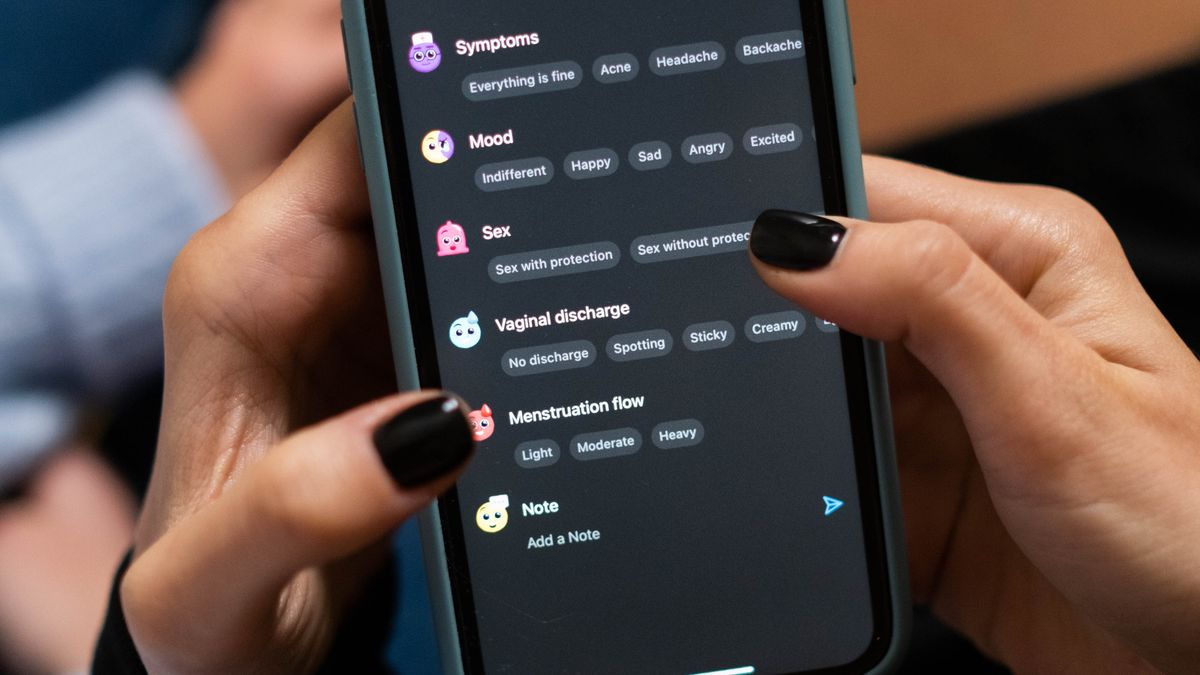
Photo by cottonbro studio on Pexels
Why This Topic Needs a Careful Look
A lot of people now open a chatbot before they open a search engine when something feels off physically or emotionally. That shift happened quickly, and it happened without much public guidance about what these tools can and cannot responsibly do. This article looks at four overlapping categories: general-purpose AI chatbots used informally for health questions, dedicated mental-health-support chatbots, AI symptom checker apps, and AI fitness and nutrition coaching apps. The point here isn't to tell you whether to use them. It's to describe what each category is actually built for, where it tends to fail, and what to do instead when the stakes are high.
A direct note before anything else: nothing in this article is medical or mental-health advice, and none of the tools described here replace a licensed doctor, a licensed therapist, or emergency services. If you are having a medical emergency, call your local emergency number right away. If you are in a mental-health crisis or thinking about harming yourself, contact a crisis line or emergency services immediately instead of typing into any chatbot. This point comes up again later in the article on purpose, because it matters more than anything else here.
General Chatbots as an Informal Health Translator
ChatGPT, Claude, Gemini, and similar general-purpose chatbots were not built as medical tools, yet a large share of their everyday use involves health questions. Someone gets a lab result back with a term like "elevated ALT" or picks up a prescription with a drug name they don't recognize, and instead of digging through medical journal abstracts, they paste it into a chatbot and ask what it means in plain language.
Used for translation rather than diagnosis, these tools can genuinely help someone feel less lost. They can explain what a test measures in general terms, describe what a medication class is typically used for, or define unfamiliar terminology from a discharge summary. That's a reasonable use of the technology. The trouble starts when the conversation drifts from "what does this term mean" to "what is wrong with me" or "should I be worried about this." That's a different kind of question, one that depends on a person's full history, a physical exam, and clinical judgment that no chatbot has access to.
Part of the appeal is timing. A lab portal often releases results before a doctor's office calls to explain them, sometimes late at night or over a weekend, and the gap between seeing a number and understanding it can be stressful. Asking a chatbot to explain a term in that gap is different from asking it to interpret the result for you. The first is reading comprehension. The second asks the tool to weigh a number against a person's age, history, medications, and other test results, which is exactly the kind of contextual judgment these systems are not built to make reliably.
Dedicated Mental-Health-Support Chatbots Are a Different Category
Dedicated mental-health-support chatbots are worth separating from general-purpose ones, because they're built and marketed differently. These apps are designed specifically around supportive conversation, often using structured techniques borrowed from cognitive behavioral therapy, mood tracking, journaling prompts, and regular check-ins. Some are built by companies with clinical advisors involved in the design. Others are put together with far less rigor. Either way, they sit in a category of their own, separate from asking a general chatbot for comfort on a hard day.
At their best, these apps offer a low-barrier space to put feelings into words, notice patterns in mood over time, and practice small coping techniques between therapy sessions or while waiting for access to care. That has real value, especially for people facing cost, waitlists, or stigma that keep them from seeing a therapist. But supportive conversation is not treatment for a mental illness, and it is not equipped to manage a genuine crisis. More on that further down.
AI Symptom Checkers and Their Documented Accuracy Limits
Symptom checker apps ask a user to enter symptoms and then generate a list of possible conditions, sometimes with an urgency recommendation attached. This isn't a new idea. Rule-based versions existed before modern AI, though newer tools layer machine learning and language models on top of the same basic concept.
Independent research on symptom checkers, going back well over a decade across many different tools, has repeatedly found meaningful accuracy limitations. These tools tend to do reasonably well with common, low-stakes, clearly presented symptoms, and their reliability drops for anything rarer, more ambiguous, or more serious. A symptom checker cannot listen to your heart, look at a rash in person, order bloodwork, or notice the subtle things a clinician trained to examine patients would catch. It also can't ask the kind of adaptive follow-up questions a real triage nurse or doctor asks based on what they're seeing in front of them. None of this makes the category useless. It means the category has a ceiling, and that ceiling sits well below a licensed medical evaluation.
AI Fitness and Nutrition Coaching Apps
This is the lowest-stakes category of the four, and also the most established in everyday use. AI fitness and nutrition apps generate workout plans, log meals, estimate calories and macros, and adjust suggestions based on stated goals and logged data. For a generally healthy adult looking for structure around exercise or eating habits, this kind of tool can be a useful nudge and organizer.
The caveats here are smaller but still real. These apps don't know about a person's undiagnosed conditions, medication interactions, injury history, or disordered eating patterns unless a person discloses them, and even then the app is working from general rules rather than an individualized clinical assessment. Anyone with an existing health condition, a history of disordered eating, or a new symptom during exercise should treat this category as a convenience layer rather than a source of medical guidance, and should bring in a doctor, registered dietitian, or physical therapist for anything beyond general fitness habits.
Calorie and macro estimates from these apps are also just estimates. They're built on population averages and self-reported logging, and self-reported logging is notoriously imprecise, portion sizes get eyeballed, ingredients get approximated, and packaged food databases aren't always accurate. None of that makes the numbers worthless for spotting rough trends over time. It does mean nobody should treat a single day's number from one of these apps as a precise clinical figure, especially anyone managing a condition like diabetes where precision actually matters.
What These Tools Are Genuinely Useful For
Stepping back across all four categories, there's an honest list of things AI health and wellness tools tend to do well:
- Translating confusing medical jargon, lab values, or drug names into plain language
- Helping someone organize questions to bring to an actual doctor's appointment
- General wellness habit tracking, reminders, and journaling
- Low-stakes, everyday nutrition or fitness guidance for people without complicating health conditions
- Giving someone a low-pressure space to put feelings into words before or alongside real support
Each item on that list supports a person's understanding and preparation. None of them replace clinical judgment.
Why AI Health Information Can Sound Confident While Being Wrong
One of the least understood risks with general-purpose chatbots is how confidently they can state incorrect or outdated information. Language models generate text that sounds fluent and authoritative, which is part of what makes them useful for writing help, but fluency isn't the same as accuracy. A chatbot can describe an outdated drug interaction, misstate a dosage convention, or blend information from different contexts into an answer that reads as calm and certain while being wrong.
This is especially risky in health contexts because most people can't easily tell confident-and-correct apart from confident-and-wrong just by reading the tone of an answer. A doctor's uncertainty usually shows up as "let's run a test to check." A chatbot's uncertainty often doesn't show up at all unless it's specifically prompted to hedge. Treating any AI-generated health answer as a starting point for a conversation with a professional, rather than a conclusion, is the safest way to use these tools.
Why a Mental-Health Chatbot Cannot Handle a Genuine Crisis
This section repeats a point made earlier because it deserves repeating: a mental-health-support chatbot, no matter how well designed, is not equipped to handle a genuine crisis. These apps are not staffed by licensed clinicians monitoring conversations in real time. They cannot perform a risk assessment the way a trained crisis counselor can, they cannot reliably dispatch emergency services on their own initiative, and they cannot take responsibility for someone's safety in an acute moment.
If you or someone you know is in a mental health crisis, is thinking about self-harm, or is in danger right now, contact a crisis line or emergency services immediately. In the United States, that means calling or texting 988. In other countries, look up your local crisis line or call your local emergency number. Do not substitute a chatbot conversation for that call. This is true no matter how helpful the app has felt in calmer moments. A supportive daily check-in tool and a crisis response system are not the same thing, and treating them as interchangeable can be dangerous.
Preparing for a Real Doctor's Appointment: AI as a Starting Point, Not an Endpoint
One of the more genuinely useful patterns to come out of all this is using a general chatbot to prepare for an appointment rather than replace one. Someone might ask a chatbot to help organize a list of symptoms they've noticed, put together questions about a diagnosis they just received, or explain a treatment option in plain language before seeing a specialist. Used this way, the chatbot is doing something closer to what a knowledgeable friend with some medical literacy might do. It helps a person show up to their appointment more prepared and less overwhelmed.
The distinction that matters is where the conversation ends. If it ends with "here are three questions I should ask my doctor," it has done its job well. If it ends with "so I don't need to see anyone," it has failed at the most important part of its job. The tool works best as a bridge to care, not a replacement for it.
Frequently Asked Questions
Can I trust an AI chatbot to diagnose my symptoms?
No. General chatbots and symptom checkers are not diagnostic tools and shouldn't be treated as one. They can help you organize information and prepare questions, but a diagnosis requires a licensed medical professional who can examine you and consider your full history.
Are mental-health chatbots the same as therapy?
No. They are a separate category built around supportive conversation, journaling, and mood tracking. They are not a substitute for therapy with a licensed clinician, and they are not equipped to manage a genuine mental health crisis.
What should I do if I'm in a mental health crisis right now?
Contact a crisis line or emergency services immediately. In the United States, call or text 988. In other countries, look up your local crisis line or emergency number. Do not rely on a chatbot in this situation.
How accurate are AI symptom checker apps?
Independent research over many years has found that symptom checkers tend to perform reasonably for common, low-stakes symptoms, but accuracy drops meaningfully for rarer or more serious conditions. They are not a substitute for a clinical evaluation.
Is it safe to use an AI fitness or nutrition app?
For generally healthy adults seeking basic structure, these apps can be a reasonable convenience tool. Anyone with an existing health condition, injury, or disordered eating history should involve a doctor, dietitian, or physical therapist rather than relying on the app alone.
Why does AI health information sometimes sound right but turn out to be wrong?
Language models are built to produce fluent, confident-sounding text, which is not the same as accurate text. They can state outdated or incorrect medical information in the same tone as correct information, so any AI-generated health answer should be treated as a starting point to verify with a professional, not a final answer.